Paintings · Conversations · Bodywork
The body, taken as it comes.
For thirty-five years Benjamin Katz has worked on the human body — and painted it. Somatic Surreal is a series of filmed conversations in which he sits with one painting at a time and traces what the treatment table and the studio have taught each other.
Watch Session 01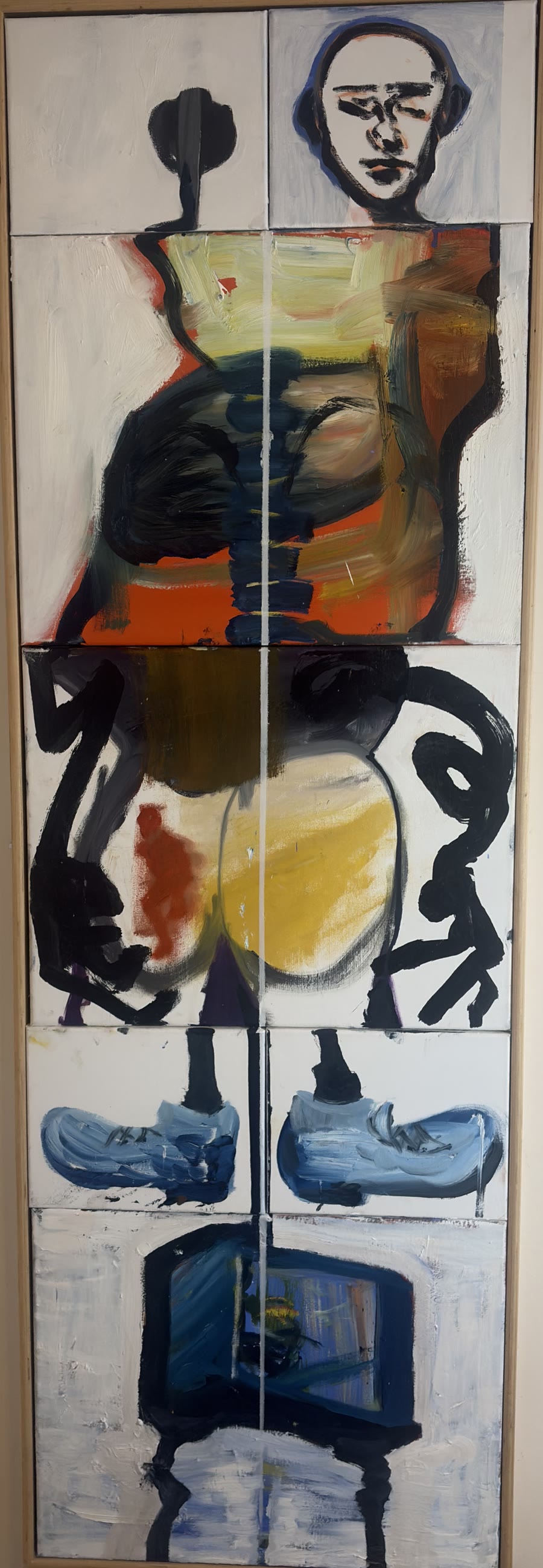
The Assembly
Session 01 · 3′51″Captions available
“You don’t determine how it is presented to you. You take it as it comes, as the person presents.”
You were asking about this painting —
How this painting relates to doing a session, right? When you’re doing a session, you’re presented with the whole dynamic of a person — and then the parts. You have to oscillate between how you receive an organ, a limb, whatever. And you don’t determine how that is presented to you. You take it as it comes, as the person presents.
In a way, it’s similar to doing a painting. You might have some preconception, some vague sense of what you want to convey — but really it emerges through the process, which is similar to a session on the table, working with somebody.
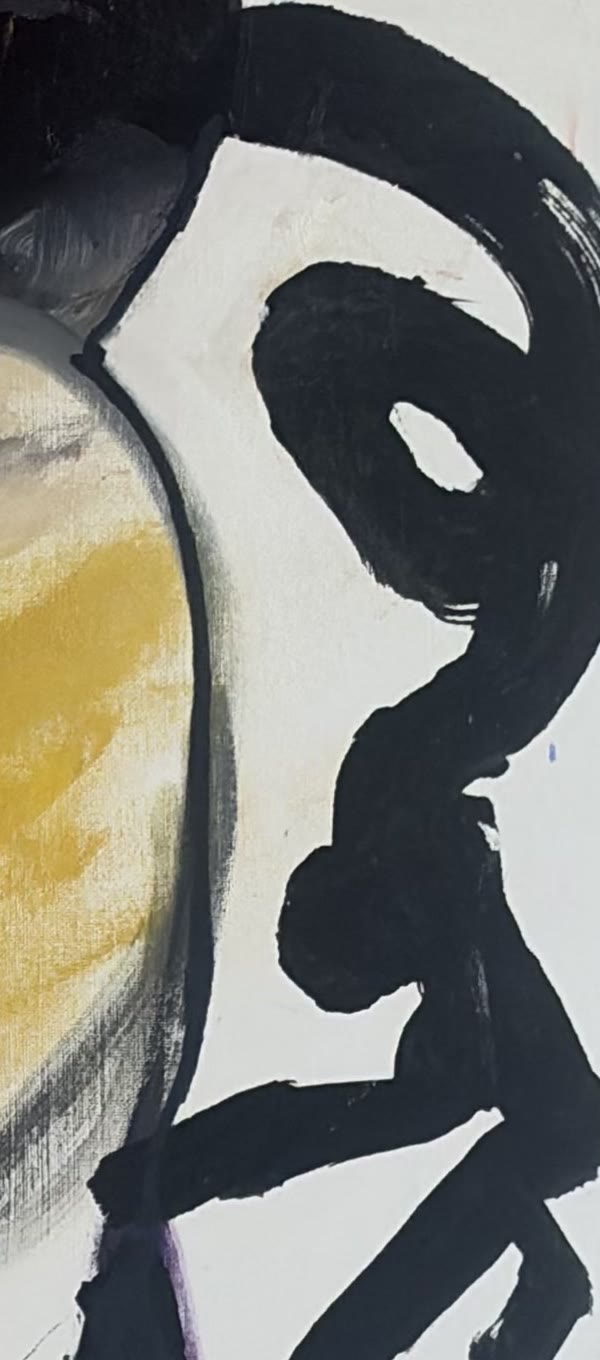
This kind of portrays that assembly: you have different parts, and they can be in different relationships than what would be a classical arrangement. You can have a reflection, like that figure in the buttocks — see that, right there. When you’re working on an organ, or on the brain, you actually get somewhat of a holographic representation of something that’s present in a psychoemotional state, not just an anatomical state. So this is all the things that can happen in a session with a person on the table — but also in the painting.
You see this is made up of a bunch of different panels that get rearranged many times before there’s a final painting. I might even pull from other paintings and switch them out — somewhat similar to when you’re working with somebody and you have the memory and sense of a similar manifestation in a different client: the merging of your experience with the present moment.
When you’re working on a patient, how often do you pull anything from your painting experience?
I don’t think about painting when I’m working on a person. I’m totally just with the phenomenon of emergence — what’s happening with that person at that moment.
How about vice versa?
“When you’re painting, you’re painting.”
Then I try to access it — but it’s not easy. It’s more when I’m looking at a painting I’m working on, and I want a sense of it. But it’s not easy to retrieve, because it’s really a present, emergent phenomenon when you’re working with a person on the table. It’s not easy to parallel that with painting.
Does this have a title?
No, it does not. I have difficulty making titles.
Transcript lightly edited for readability · captions on the film are near-verbatim
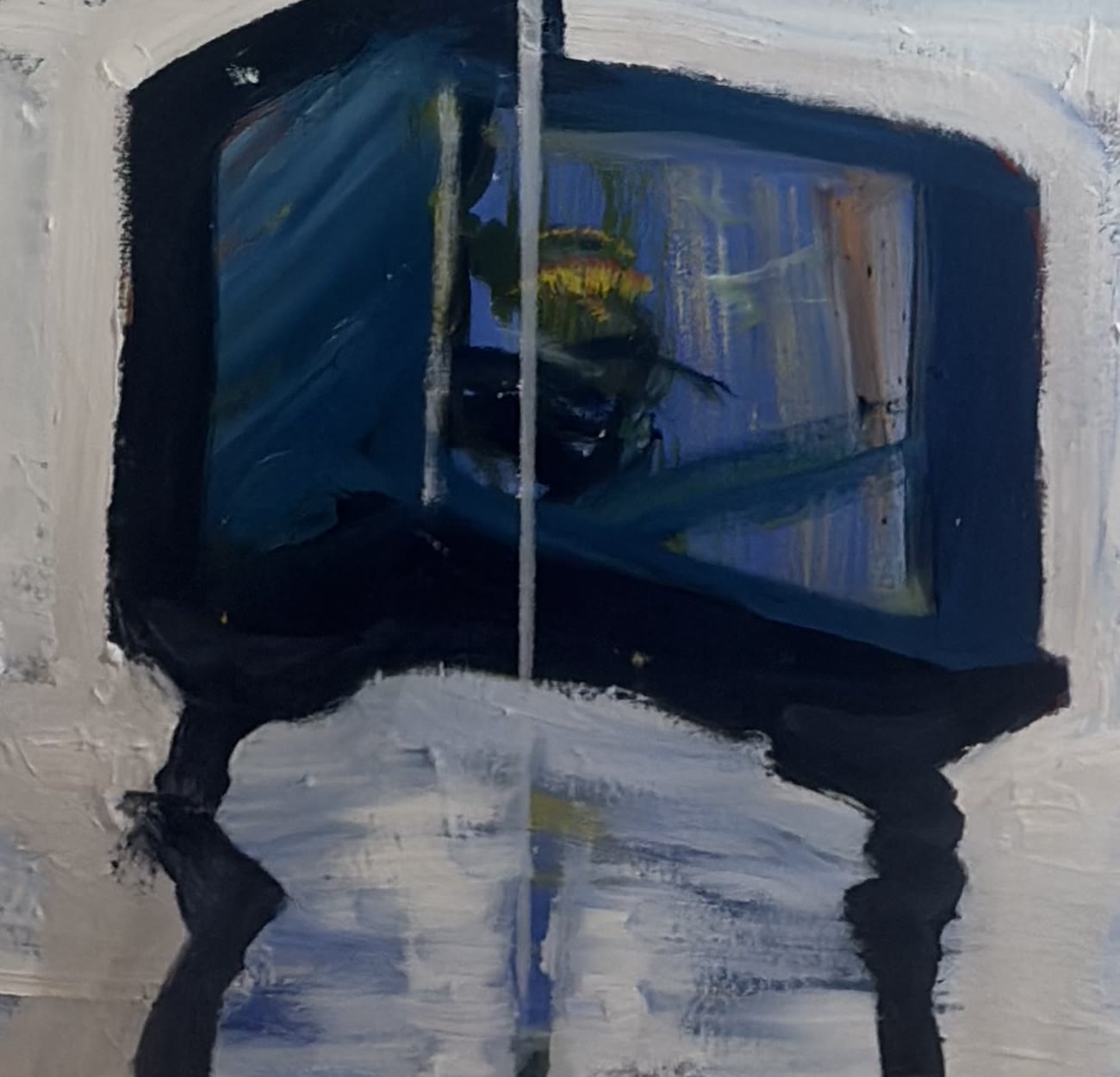
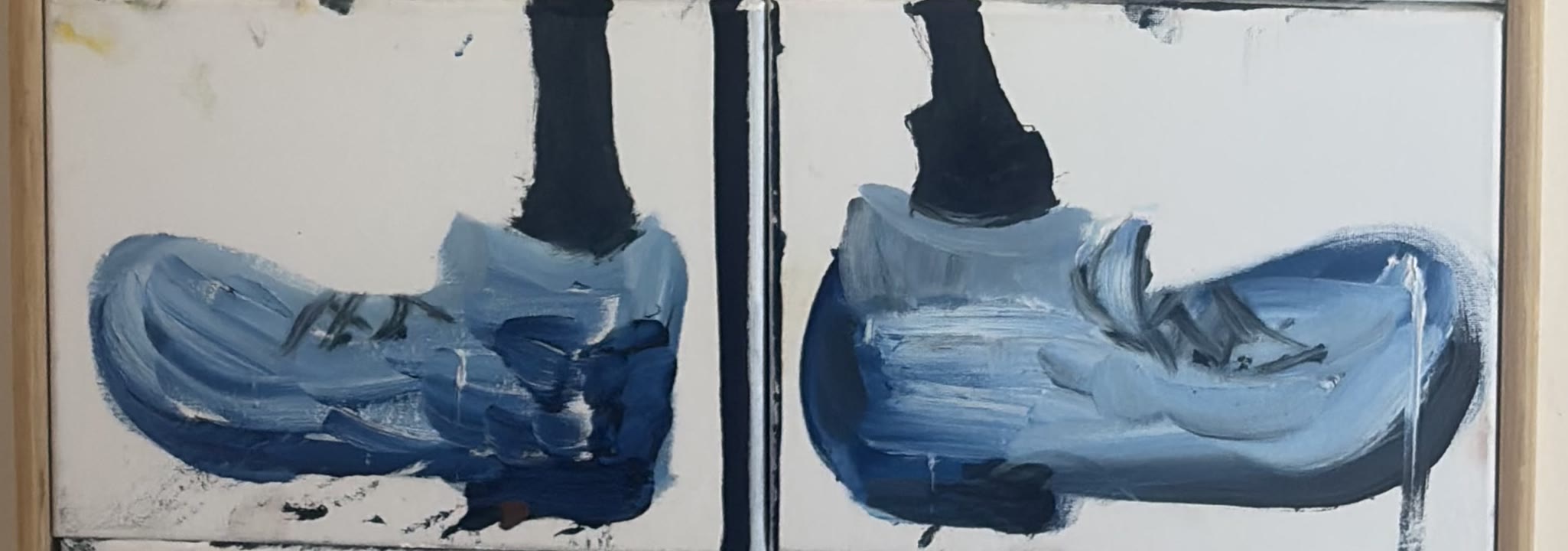
Untitled, in ten panels
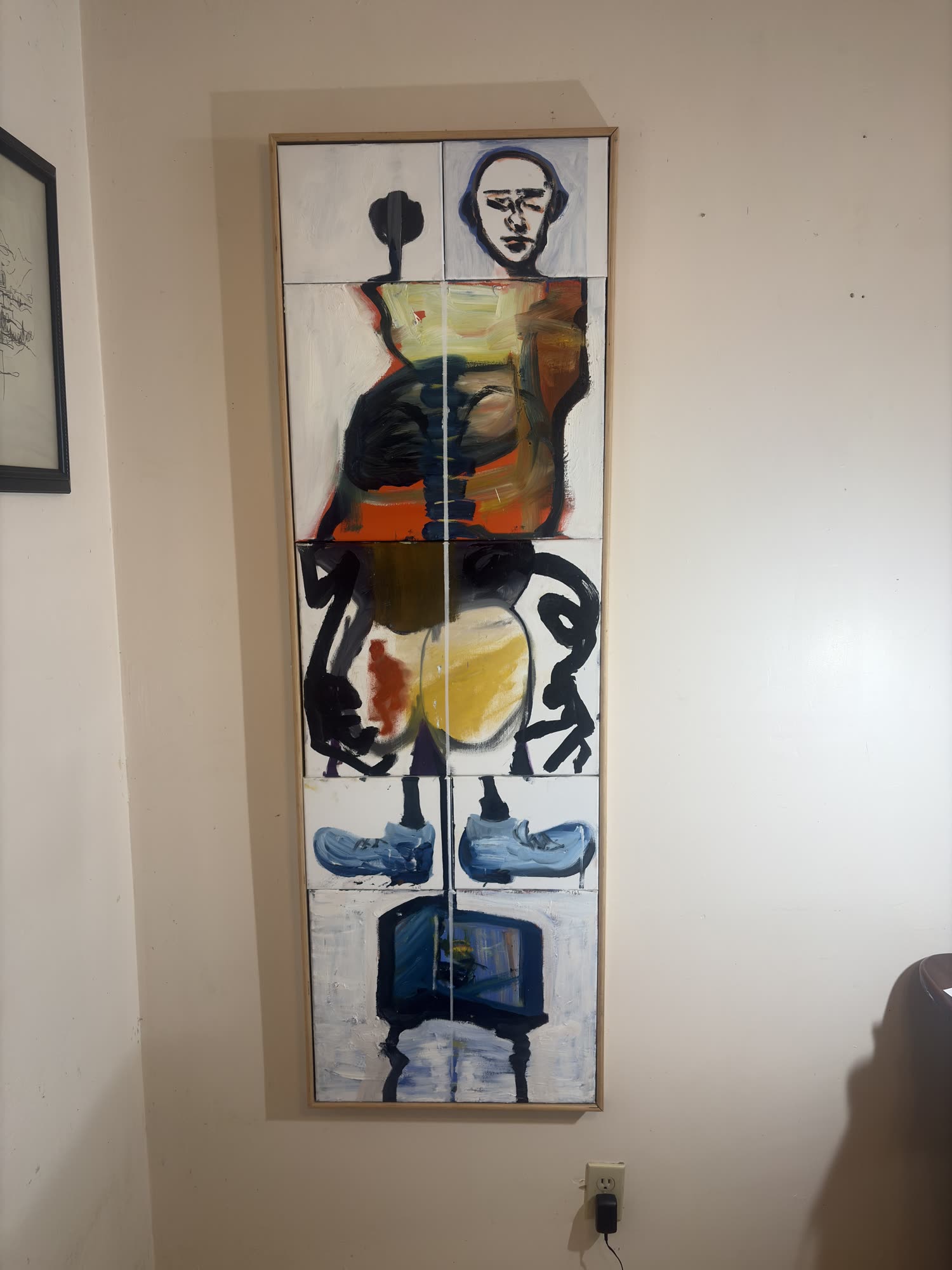
A figure assembled the way a person arrives: in parts, in a certain order, never twice the same.
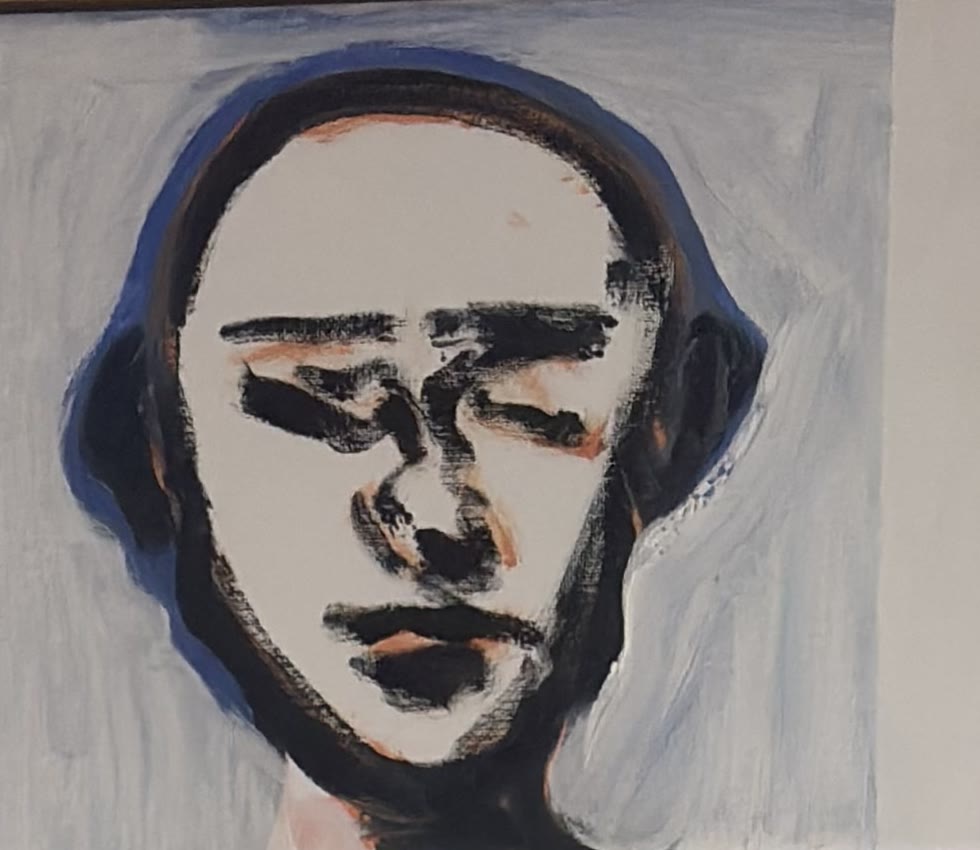
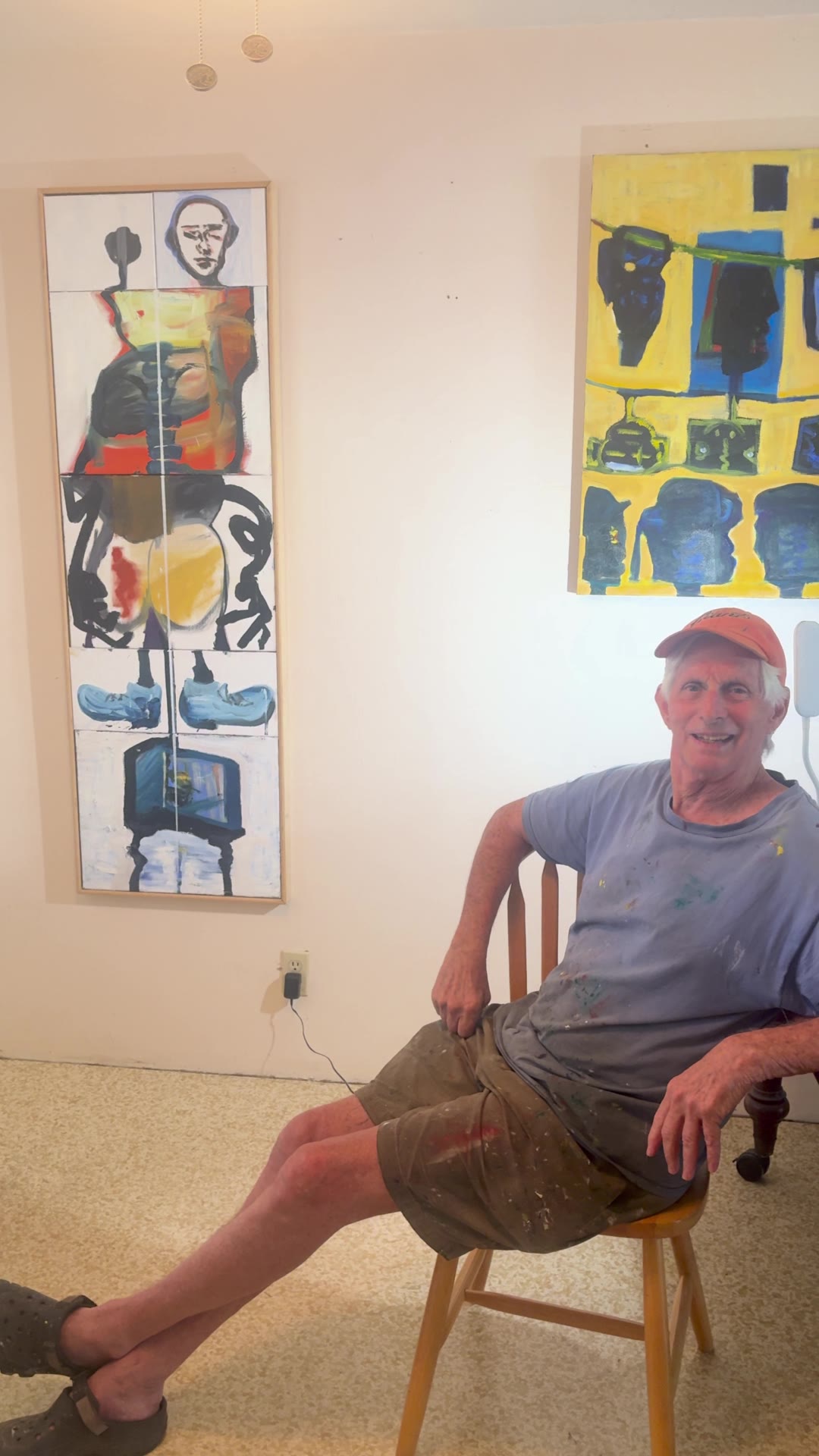
Head, torso, hips, feet — and, where the ground should be, possibly a pelvis. The figure is painted across ten separate canvases that Ben rearranges many times before a painting is final; panels migrate in from other paintings and out again. What holds it together is not normal anatomy in relation to gravity, but parts, space, and function of a different order.
It’s the same move he describes on the treatment table: receiving an organ, a limb, a person, in whatever sequence and relationship they present themselves — parts that carry more than their anatomical state.
Does it have a title? — “No, it does not. I have difficulty making titles.”
The yellow painting
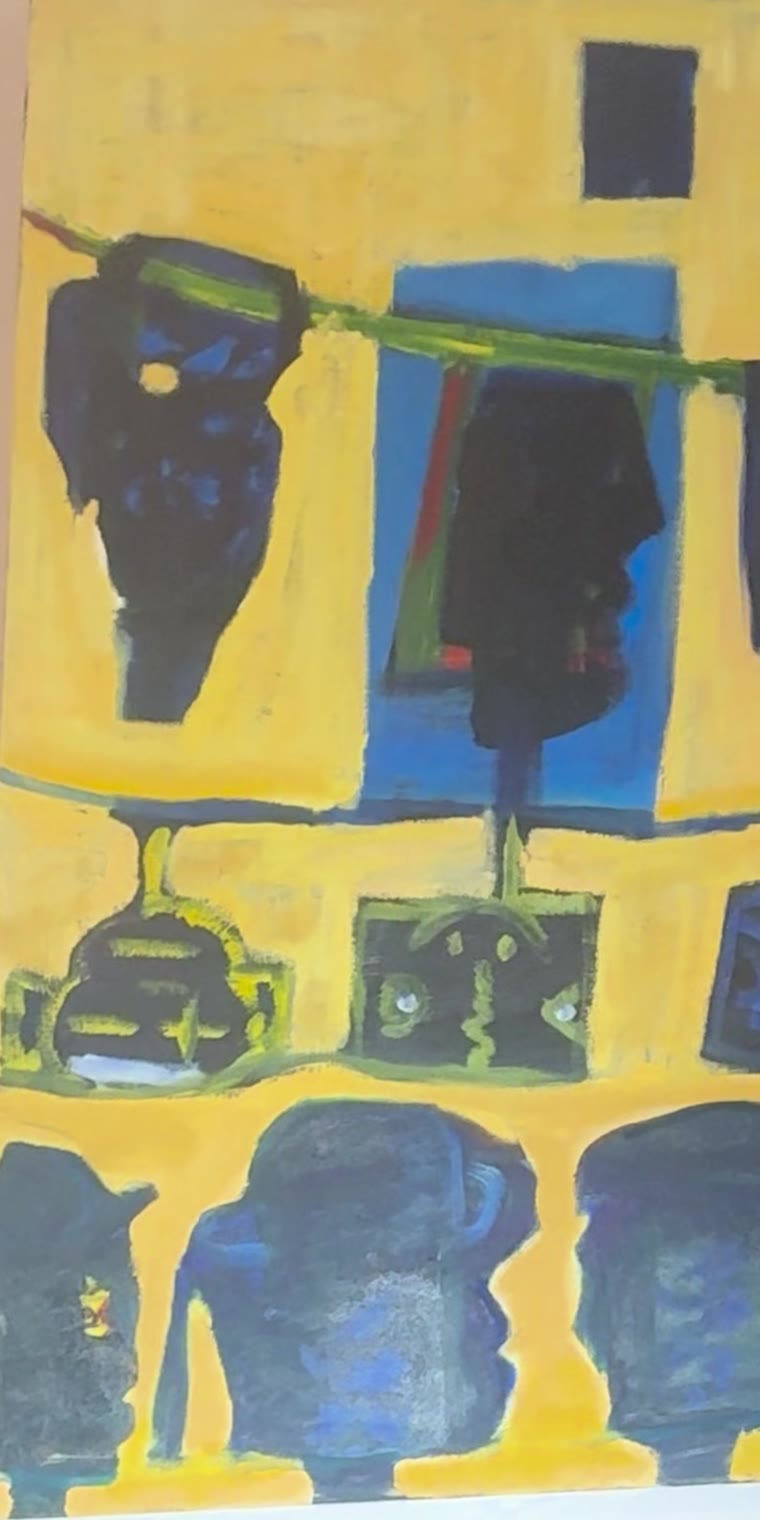
A second canvas hangs at Ben’s shoulder through the whole conversation — dark heads and profiles strung across a mustard ground, watching the interview like an audience. It waits its turn in the series.
One painting at a time
 Session 01 · 3′51″
The Assembly
An untitled figure in ten panels, and how a painting is received the way a patient is.
In the studio now
To be filmed
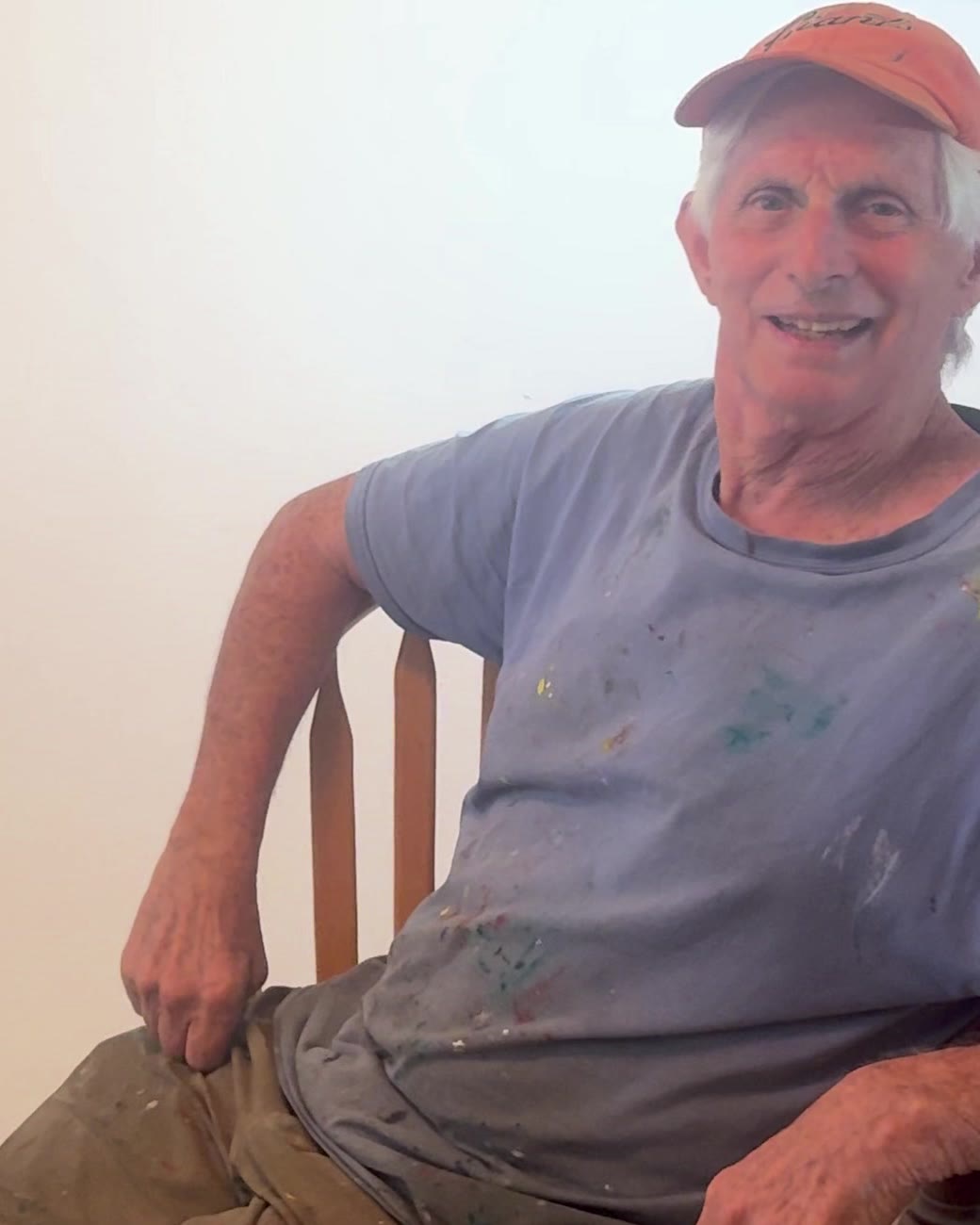
Benjamin Katz
Bodywork practitioner & painter · C.M.T. · M.F.A.
Benjamin Katz has been a bodywork practitioner since 1990, and has taught nationally and internationally since 2005. His methods are grounded in his studies with leading European and American osteopaths, and enhanced by the knowledge gained across three decades of clinical experience. His courses offer an anatomically specific, open-sourced modality suited to the needs of the beginner and the advanced practitioner alike.
He is also a painter. The two practices have run side by side for most of his life, carrying the same preoccupations — parts and wholes, emergence, the way a body presents itself — between the treatment table and the studio. Somatic Surreal is where the two finally sit in the same room.